 Rod
Rod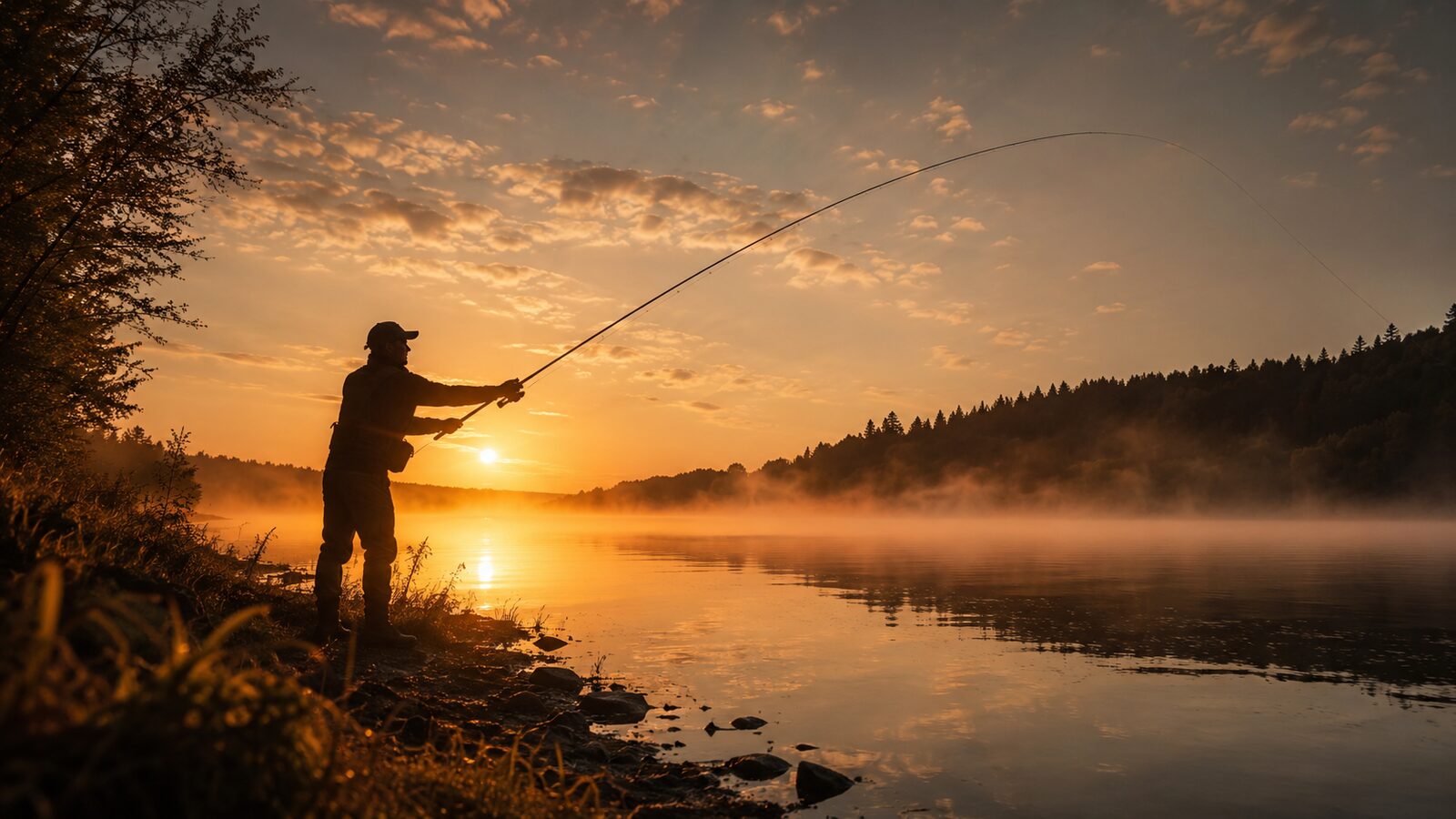
The Fishing Gear Buying Guide
How to put together a setup that catches fish — what to buy first, what actually matters, and where you can save without regretting it later.
Buying your first — or fifth — fishing setup shouldn't be overwhelming. This guide walks through gear in the order that actually matters: the rod-and-reel combo that gets you casting, the line that connects you to every fish, and the small, purposeful tackle selection that catches more than a box full of impulse buys ever will.
Step 1: Match Your Rod and Reel to How You Actually Fish
The single biggest mistake beginners make is buying gear built for someone else's fishing. Before you look at a single reel, think about where and what you're fishing for — it decides almost everything else.
- Freshwater panfish, trout, and bass: a medium or medium-light power rod in the 6'6"–7' range paired with a 2000–3000 size spinning reel covers the vast majority of lakes, ponds, and rivers.
- Bass fishing with heavier cover and bigger lures: a medium-heavy or heavy power rod with a baitcasting reel gives you the backbone to pull fish from grass and timber, plus the accuracy to place a bait next to a dock or stump.
- Light inshore saltwater: a medium-heavy 7' spinning setup with corrosion-resistant components handles redfish, seatrout, and similar species while standing up to salt exposure.
- Surf and pier fishing: longer 9'–11' rods generate the casting distance needed to reach fish beyond the breakers, matched to a reel sized to hold enough heavier line.
For most anglers starting out, a 2500–3000 size spinning reel on a 7-foot medium-power rod is the most versatile combination in fishing. It handles the widest range of lures, line weights, and species, which is exactly why it shows up as the default recommendation across almost every buying guide, including ours. If you're brand new, a matched rod-and-reel combo is the fastest, cheapest way onto the water — the pairing is already balanced for you.
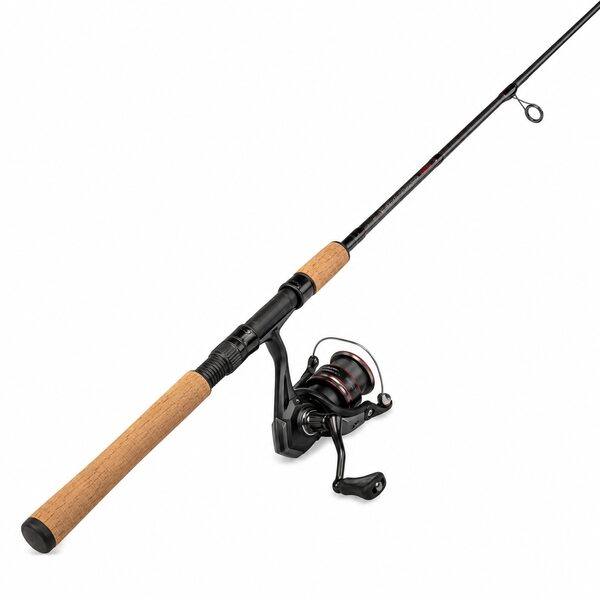
Ugly Stik GX2 Combo
The tough GX2 rod matched to a balanced spinning reel, pre-spooled and ready to fish out of the box. It won't be the smoothest reel you ever own, but it'll survive being dropped on a dock, left in a hot truck bed, and handed to a kid who's never cast before — and it'll still catch fish while doing it.
Affiliate disclosure: We may earn a commission from qualifying purchases made through links on this page, at no extra cost to you.
We may earn a commission from these links at no extra cost to you.
Spinning vs. Baitcasting — When Each Makes Sense
Ready to throw heavier baits or chase bigger fish with pinpoint accuracy? That's when a baitcasting reel earns its place. Baitcasters mount on top of the rod with a thumb-controlled spool, which gives you tighter casting accuracy and the power to horse fish out of cover — but that same free-spinning spool is what causes backlash (a tangled "bird's nest") until you've built the muscle memory to control it.
- Choose spinning if: you're new to fishing, throwing lighter lures, or fishing finesse presentations in open water.
- Choose baitcasting if: you're flipping heavier baits into cover, need repeatable casting accuracy, or are already comfortable managing a reel's brake and spool tension.
- Most experienced anglers carry both — spinning for finesse and light line, baitcasting for power and precision — rather than picking one for life.
Understanding Rod Power and Action
Power and action get confused constantly, but they answer two different questions, and both matter more than price when you're picking a rod.
Power is how much pressure it takes to bend the rod, ranging from ultra-light to heavy. Light power rods flex easily and suit small fish and light lures; heavy power rods stay rigid and are built for big fish, heavier line, and pulling fish away from cover. Action describes where along the rod that bend happens. A fast-action rod bends mostly near the tip, which makes it sensitive to light bites and quick on the hookset. A slow or moderate-action rod bends further down the blank, which loads up more like a spring — better for casting distance and for lures with treble hooks, where a softer hookset keeps fish pinned instead of pulling free.
Match power and action to your technique rather than buying the biggest, stiffest rod you can find: a light, fast rod for finesse worms and small jigs; a heavy, fast rod for flipping jigs into thick cover; a moderate-action rod for crankbaits and other treble-hook lures. See our rod picks →
Reel Anatomy — What Actually Matters
Reel spec sheets are full of numbers that don't all deserve equal attention. Here's what's worth paying for and what's mostly marketing:
- Drag system: the single most important spec on any reel. A smooth, sealed drag applies steady resistance so a hard-running fish can't snap your line on a sudden surge. This is the component worth spending on first.
- Gear ratio: how many times the spool turns per handle rotation. Lower ratios (around 5:1) trade speed for cranking power, useful for deep-diving crankbaits and heavier lures. Higher ratios (7:1 and up) retrieve line faster, useful for topwater baits and covering water quickly.
- Ball bearings: more bearings generally means a smoother retrieve, but bearing count alone is a poor proxy for quality — a well-made reel with fewer, better bearings often outperforms a cheap reel with a high bearing count used as a marketing number.
- Body material: graphite bodies are light and resist corrosion; metal-bodied or metal-reinforced reels are heavier but hold their gear alignment better under heavy drag pressure over years of use.
- Reel size (1000–5000, etc.): this number indicates the reel's overall size and line capacity. Smaller numbers suit light line and small fish; larger numbers hold more, heavier line for bigger fish and longer runs.
Curious about the terminology on a spec sheet? The Angler's Dictionary breaks down reel and rod terms in plain language.
Choosing the Right Line
Line is cheap relative to the rest of a setup, and it's the one component that touches every single fish you hook — it's worth getting right.
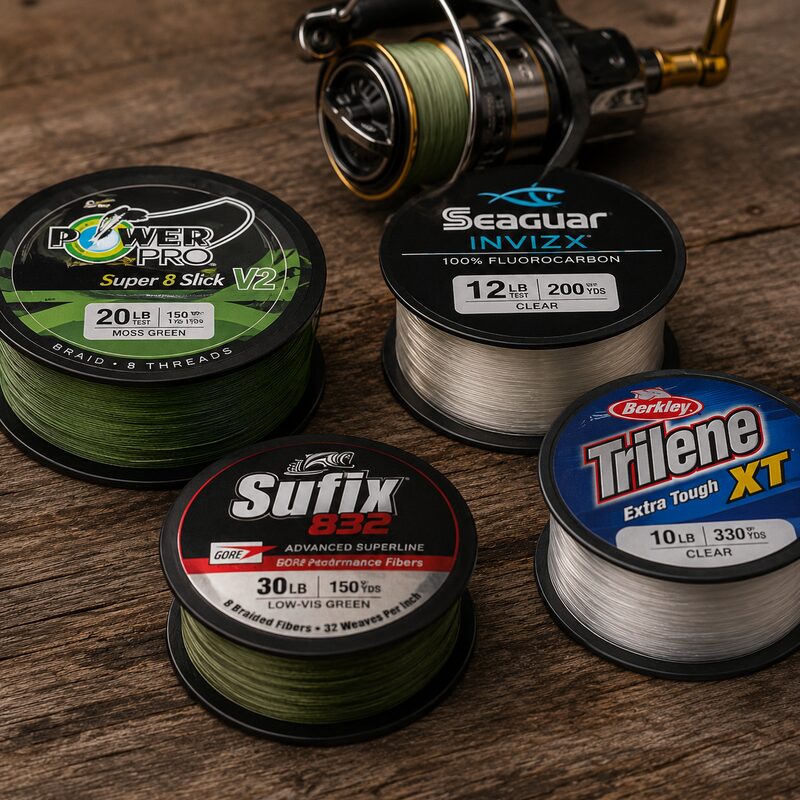
- Braided line: extremely strong for its diameter, virtually no stretch, and highly sensitive to bites. Its visibility in clear water and lack of stretch (which can pull hooks on light bites) make it best as a mainline, often paired with a leader.
- Fluorocarbon: nearly invisible underwater and abrasion-resistant, which makes it the standard choice for leaders and for fishing clear, pressured water. It sinks faster than mono, which can help or hurt depending on the presentation.
- Monofilament: forgiving, inexpensive, and easy to handle, with more stretch that helps absorb sudden strikes. A dependable, budget-friendly choice for beginners and for topwater baits, where some stretch helps prevent pulling the hook.
A popular all-around setup pairs a braided mainline with a fluorocarbon leader — you get the sensitivity and strength of braid with the low visibility and abrasion resistance of fluorocarbon at the business end. Compare line types →
Building a Tackle Box That Covers Almost Everything
You don't need a thousand lures — you need a handful of proven producers and the confidence to fish them properly.
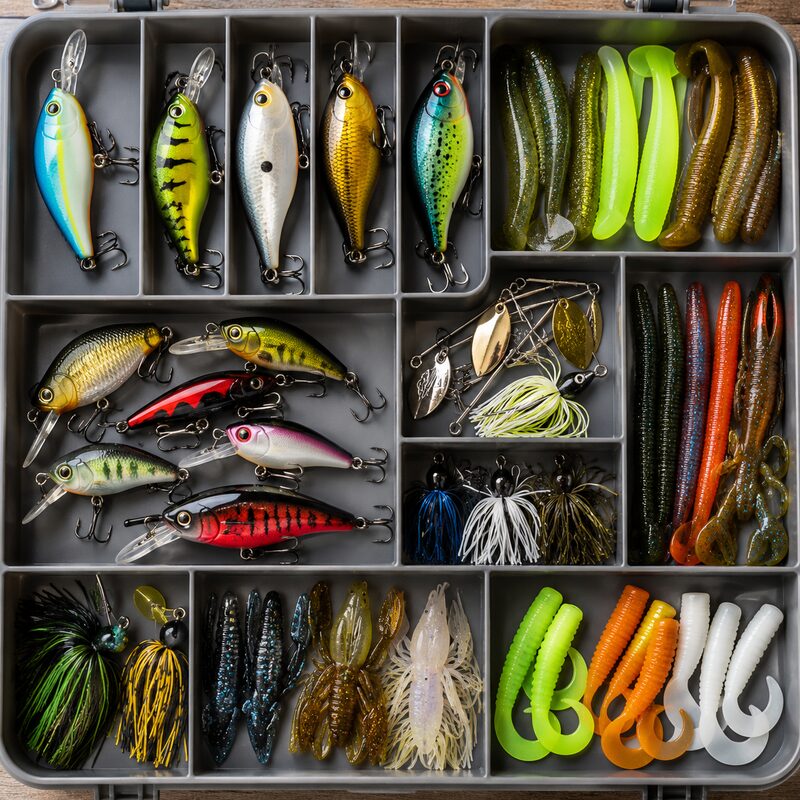
- Crankbait: covers water fast and imitates fleeing baitfish; a good search bait for locating active fish.
- Spinnerbait: weedless enough to fish through light cover, with flash and vibration that draws reaction strikes even from fish that aren't actively feeding.
- Soft-plastic worm: the tough-days bait. Slow, subtle, and effective when fish are pressured or the bite is tough.
- Topwater bait: explosive strikes and a bait that works best in low light, near cover, or when fish are feeding on the surface.
- Jig: versatile enough to fish shallow or deep, through cover or open water, and one of the most consistent big-fish baits across species.
Match color to water clarity — natural, translucent colors in clear water; darker, high-contrast colors in stained or muddy water — and match depth to where the fish are actually holding rather than where it's easiest to cast. See lure & tackle picks →
Where to Save, Where to Spend
Not every part of a setup deserves the same budget. Spreading a fixed budget evenly across every component is usually the wrong move — a few pieces matter far more than the rest.
- $ Value tier: the right starting point for beginners and for gear you're still learning to use. A functional, no-frills reel and a tough value rod will do everything you need while you figure out what actually matters to your fishing.
- $$ Mid tier: where you start feeling the difference — a smoother drag, better line lay, and more durable components that hold up to regular use without babying them.
- $$$ Premium tier: diminishing returns for most anglers. The gains here are real but marginal — lighter weight, tournament-grade materials, and refinements that matter most to anglers fishing very frequently or competitively.
Spend on: a quality reel with a smooth, sealed drag, and good line — these touch every fish. Save on: a tough value rod, a starter combo, and a small set of confidence lures. Buy once: reels reward quality. A well-made reel fishes smoothly for a decade; a cheap one feels rough within a season.
Setup Care and Maintenance
Gear that's cared for lasts years longer than gear that isn't, and none of this takes more than a few minutes:
- Rinse after every saltwater trip. Salt accelerates corrosion in bearings and drag washers faster than almost anything else you'll expose a reel to.
- Back off the drag before storing your reel. Leaving a reel under drag tension for months can compress and warp the drag washers, leading to a jerky, unreliable drag later.
- Re-spool regularly. Monofilament and fluorocarbon develop memory (coiling) and lose strength from UV exposure — plan on re-spooling once or twice a season if you fish often. Braid mainly needs replacing when it frays.
- Store rods properly. Vertical rod racks or padded rod sleeves prevent the warping that happens when rods are left leaning under tension or crammed into a trunk.
- Check your guides. A cracked or chipped guide insert will fray your line every single cast until you replace it — run a cotton ball along each guide periodically to catch damage early.
Common Beginner Mistakes to Avoid
- Buying a stack of lures before a single rod and reel. A great tackle selection on a mismatched setup still won't cast, feel bites, or fight fish properly.
- Over-tightening the drag "to be safe." A drag set too tight doesn't give line on a hard run, which is exactly how leaders and knots fail on a good fish.
- Ignoring line twist and memory. Coiled, twisted line casts poorly and tangles constantly — it's often the actual cause of a "bad reel" that's really just old line.
- Pairing a rod and reel that don't match. An oversized reel on a light rod (or the reverse) throws off the balance and feel of the whole setup, making it tiring to fish and harder to detect bites.
- Skipping practice casts before day one. A few minutes in the yard or a park with a practice plug builds the timing that saves you from backlashes and lost lures on the water.
Every recommendation on this site is researched against manufacturer specifications and angler consensus. We don't publish invented test data or fake star ratings — just straight comparisons to help you buy once.
Setup Checklist by Experience Level
Not sure which advice above applies to you? Here's how the same principles shift depending on where you are:
- Just starting out: one matched combo, a spool of monofilament, and five confidence lures. Skip baitcasting entirely for now — the learning curve isn't worth fighting while you're also learning to fish. Focus your practice on casting accuracy and feeling for bites before worrying about gear upgrades.
- Fishing regularly, ready to specialize: add a baitcasting setup if you're throwing heavier baits or fishing thick cover, upgrade to a braid-and-fluorocarbon line system, and start building species-specific tackle rather than one generic box for everything.
- Dialed in, chasing marginal gains: this is where premium-tier reels, rod blanks matched to specific techniques, and a rotation of multiple rigged combos actually pay off. At this stage you already know exactly what you're solving for with each purchase — the guides above are less about what to buy and more about confirming you haven't missed anything.
Wherever you land on that list, the fundamentals don't change: a balanced rod and reel, line suited to your target species and water, and a small tackle selection you trust beats a garage full of gear you never use.
Frequently Asked Questions
How much should I spend on my first fishing setup?
You don't need a premium setup to start. A value-tier spinning combo will cast, fight fish, and hold up fine for someone learning the ropes. Spend more once you know what you fish for most and where a smoother reel or a lighter rod would actually change your day on the water.
Do I need a baitcasting reel as a beginner?
No. Baitcasting reels offer more casting accuracy and power for heavier lures, but they backlash easily until you've built muscle memory. Almost every angler starts on a spinning reel and adds a baitcaster later once they're throwing heavier baits or need pinpoint accuracy around cover.
How often should I replace my fishing line?
Monofilament and fluorocarbon degrade from UV exposure and develop memory (coiling) over a season of regular use, so re-spooling once or twice a year is typical for frequent anglers. Braided line doesn't degrade the same way and mainly needs replacing when it frays, though many anglers strip and re-tie the working end periodically.
Can the same rod and reel work for both freshwater and saltwater?
Many setups cross over, especially medium and medium-heavy spinning combos. The key is rinsing the rod and reel with fresh water after every saltwater trip and choosing gear with corrosion-resistant components if you fish saltwater often — sealed drags and stainless hardware last far longer against salt.
What's the difference between rod power and rod action?
Power describes how much pressure it takes to bend the rod — light power for small fish and finesse presentations, heavy power for big fish and heavier cover. Action describes where along the rod that bend happens — fast action bends mainly near the tip for sensitivity and quick hooksets, slow action bends further down the blank for a softer, more forgiving cast.
Do I need a tackle box full of lures to catch fish?
No. A small, purposeful selection — one crankbait, one spinnerbait, a bag of soft-plastic worms, a topwater bait, and a jig — covers most freshwater situations. Confidence in a handful of proven lures usually out-fishes a tackle box stuffed with dozens of untested ones.
Explore Every Category
Each guide below goes deep on one part of your setup — start wherever you need the most help.
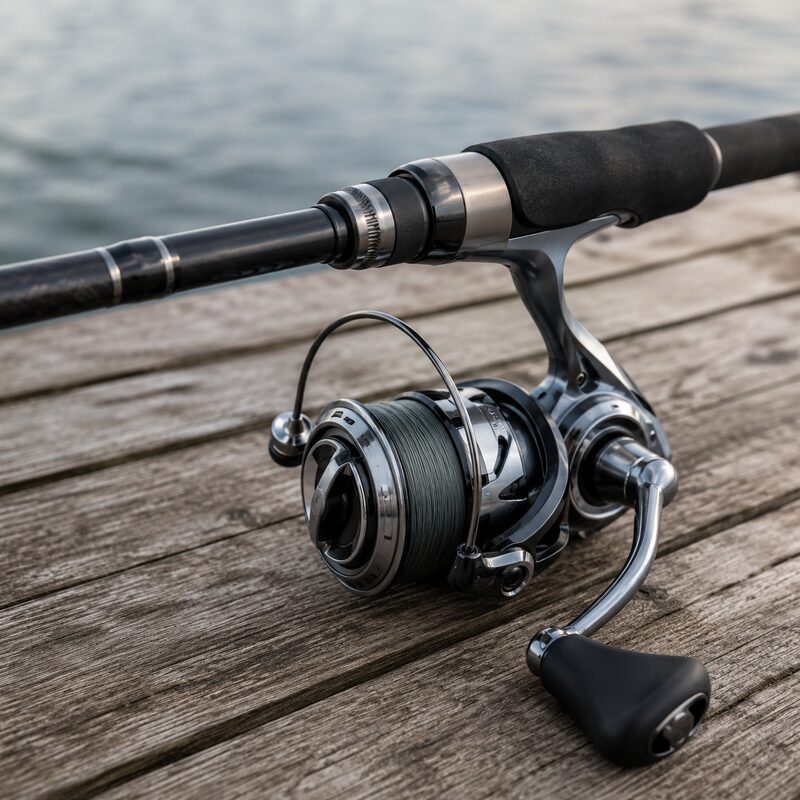
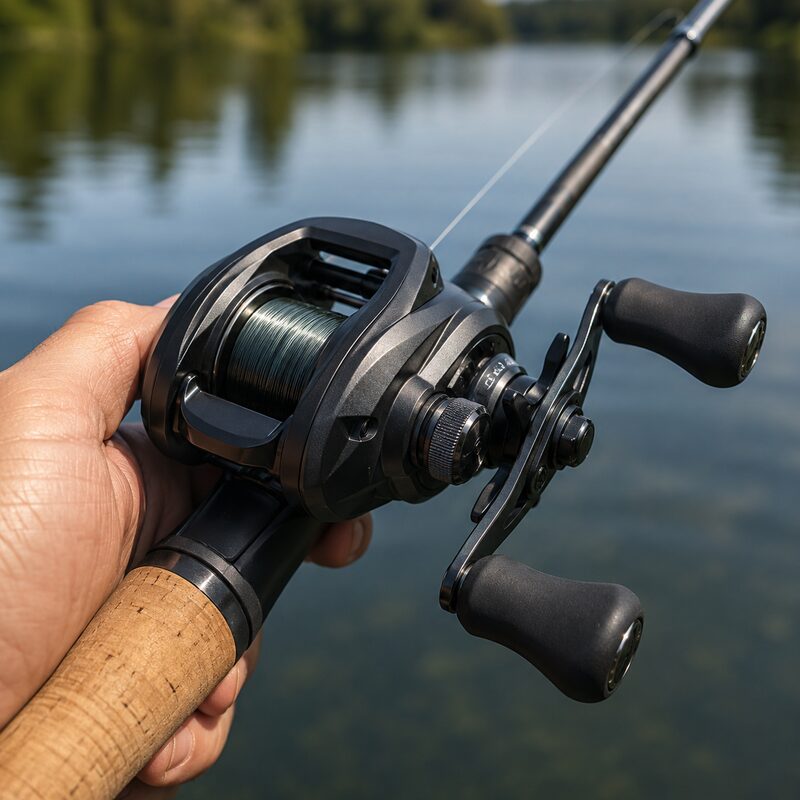
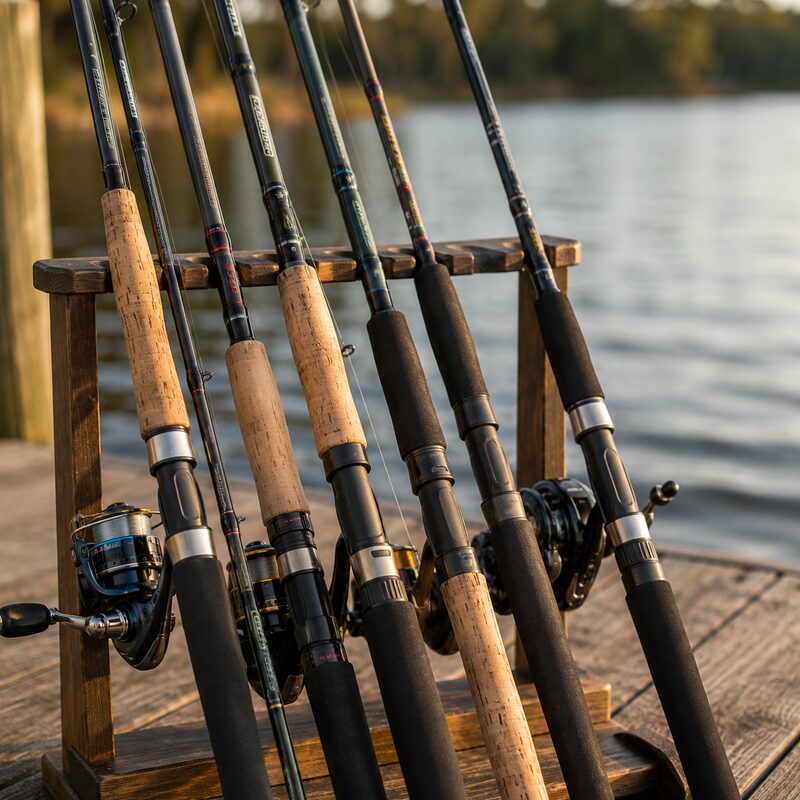
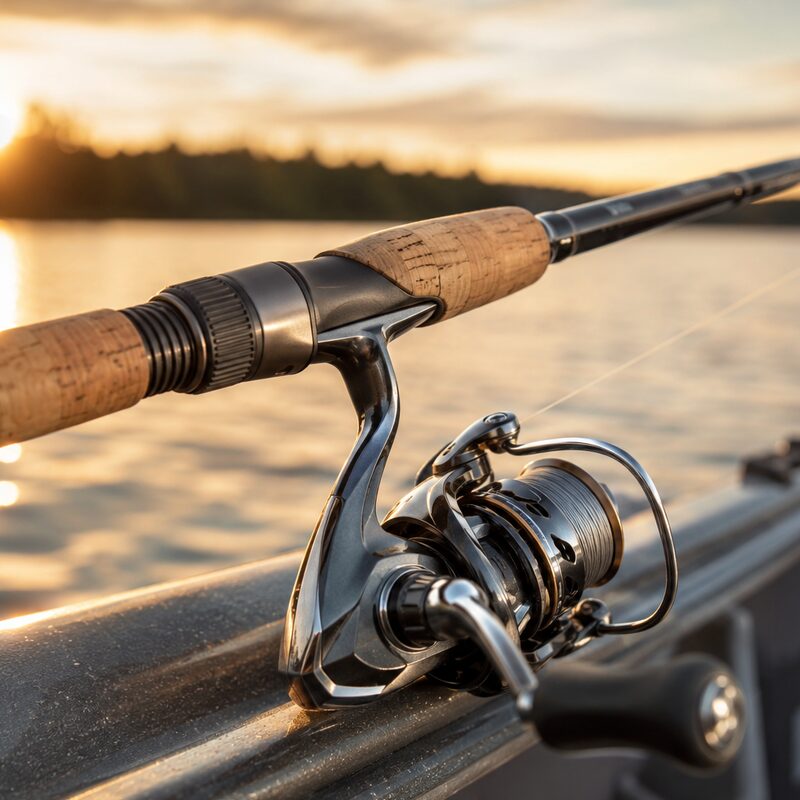
Find the right rod and reel for your fishing
Choose species, lure weight, rod power/action and reel size before comparing marketplace listings. Product availability and exact variants change.