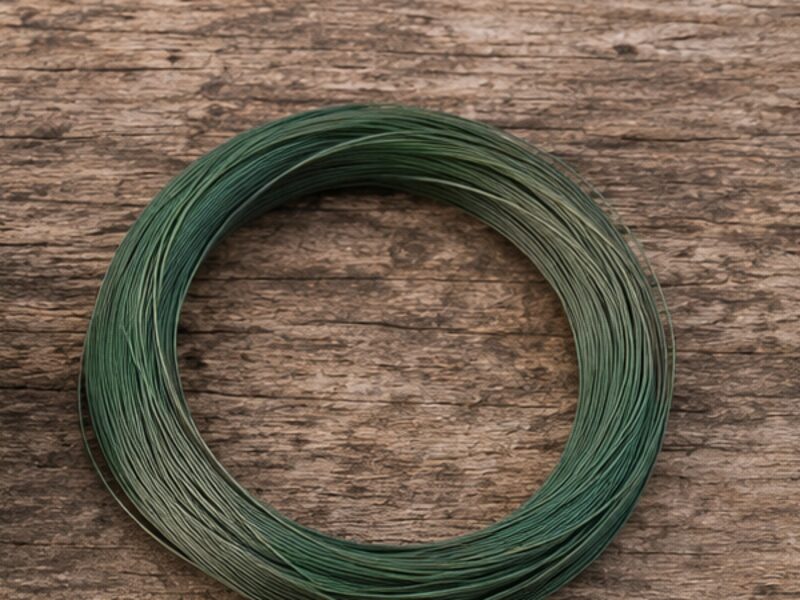
PowerPro Spectra Braid
Thin, strong, and zero-stretch for maximum sensitivity and casting distance. A round, smooth weave that handles well on spinning and casting reels alike — the braid benchmark.
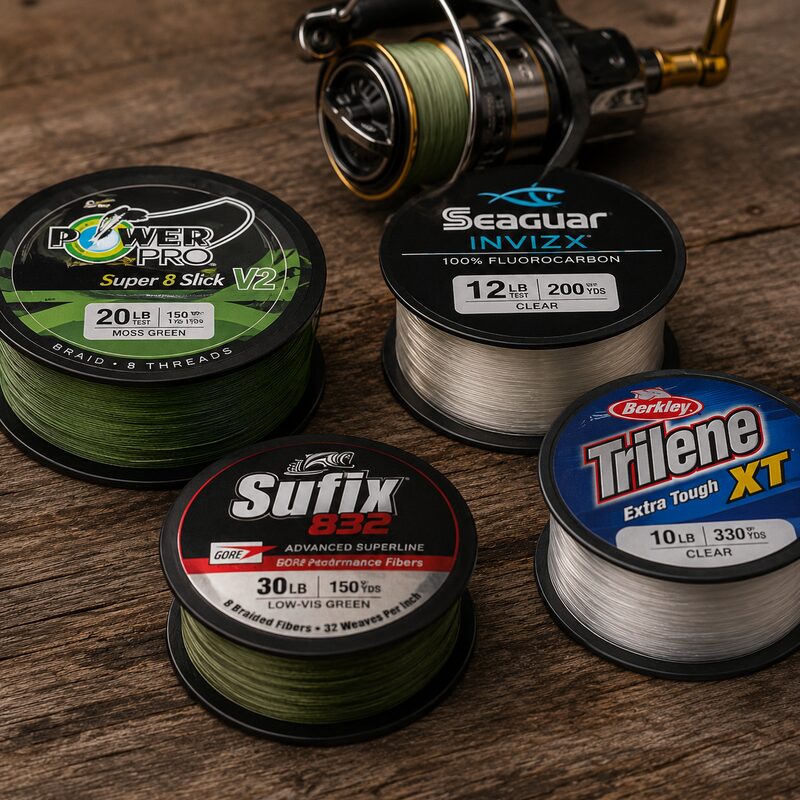
Line is the cheapest part of your setup and the one connecting you to every fish — it's worth getting right. The three types each have a job: braid for strength and sensitivity, fluorocarbon for invisibility and abrasion resistance, and monofilament for forgiveness and value. Most anglers use all three.
Below are the proven category leaders for each line type. Match the pound test to your reel and target species, and consider a braid mainline with a fluorocarbon leader for the best of both worlds.
Proven gear that balances price, durability, and real-world performance. Prices change often — tap through for today's price.

Thin, strong, and zero-stretch for maximum sensitivity and casting distance. A round, smooth weave that handles well on spinning and casting reels alike — the braid benchmark.

Smooth, manageable, and forgiving — the classic all-purpose monofilament. Low memory and a little stretch make it easy to cast and gentle on treble-hook baits. Unbeatable value.

Nearly invisible underwater and tough against abrasion — ideal as a leader or a finesse mainline in clear water. Sinks fast and resists nicks around rock and structure.
Braid is thin, strong, and sensitive with no stretch — great as a mainline. Fluorocarbon is nearly invisible and abrasion-resistant — great as a leader or in clear water. Monofilament is forgiving, floats, and is the cheapest — great for beginners and treble baits.
Use lighter line (4–8 lb) for panfish and finesse, 10–17 lb for bass and walleye, and 20 lb+ for heavy cover, catfish, and inshore saltwater. Heavier isn't always better — line that's too heavy spooks fish and casts poorly.
A popular all-around rig is braid mainline for sensitivity and distance, joined to a fluorocarbon leader for invisibility and abrasion resistance near the lure. Connect them with an FG or double-uni knot.
Line degrades from UV, abrasion, and use. Re-spool mono and fluoro at least once a season; braid lasts longer but should be checked for fraying. Old line is the hidden cause of a lot of lost fish.
The most popular setup among serious anglers: braid mainline for casting and sensitivity, with a fluorocarbon leader tied on for invisibility and abrasion resistance. It's worth learning one good braid-to-leader knot.

Braid for a strong, sensitive mainline; fluorocarbon for an invisible, abrasion-resistant leader or clear-water line; monofilament for a forgiving, inexpensive all-purpose line. Many anglers run braid mainline with a fluorocarbon leader.
Match it to your target: 4–8 lb for panfish and finesse, 10–17 lb for bass and walleye, and 20 lb or more for heavy cover, catfish, and inshore saltwater. Line that's too heavy casts poorly and can spook fish.
Re-spool monofilament and fluorocarbon at least once a season, more often with heavy use. Braid lasts several seasons but should be inspected for fraying and flipped or replaced when worn.
In clear water, yes — braid is visible, so a fluorocarbon leader improves bites and adds abrasion resistance near the lure. In stained water or heavy cover, straight braid is often fine.
Affiliate Disclosure: RodAndReel.co is reader-supported. When you buy through links on our site, we may earn an affiliate commission at no additional cost to you. As an Amazon Associate and eBay Partner, we earn from qualifying purchases. We only recommend tackle we'd fish ourselves, and we never invent specs or reviews.